
When choosing a dog harness, safety should always come before style or price. A harness may look simple, but its design plays a critical role in protecting your dog’s neck, spine, and joints. The safest dog harness is one that reduces strain, allows natural movement, and keeps your pet secure during every walk.
Understanding what makes a harness safe helps pet owners make better choices and avoid unnecessary injuries.
Why Safety Matters More Than Style
Unlike collars, which apply pressure directly to the throat, harnesses distribute that pressure across the chest and shoulders. This protects the trachea and reduces the risk of breathing problems, especially in small dogs, seniors, and breeds prone to respiratory issues.
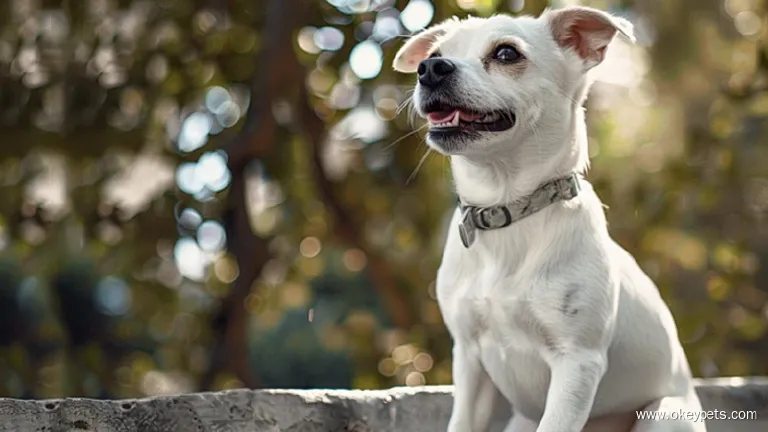
An unsafe harness can shift, twist, or press against sensitive areas, causing discomfort and poor posture. A truly safe harness encourages healthy movement and keeps your dog balanced without restriction.
Key Features of the Safest Dog Harness
A safe harness begins with proper fit. The harness should sit snugly without tightening or sliding. Adjustable straps allow owners to fine-tune the harness to match the dog’s body shape. If the fit is incorrect, the harness may rub, restrict movement, or allow escape.
Chest support is another important feature. A wide chest plate distributes pressure evenly instead of pulling from a single point. This prevents strain on joints and muscles.
Secure buckles and strong stitching are essential. Cheap plastic clips can snap under pressure. Metal hardware and reinforced seams provide better long-term reliability.
Comfort also matters. Padding along pressure areas reduces friction and prevents skin irritation. Soft material inside the harness protects sensitive dogs.
Best Types of Harnesses for Safety
Step-in harnesses work well for calm dogs who walk gently. Front-clip harnesses help reduce pulling by redirecting movement. For strong or highly active dogs, reinforced harness designs offer added control.
Back-clip harnesses are ideal for well-behaved walkers who need freedom of movement without pressure on the throat.
Why Custom Matters
No two dogs are built exactly alike. That is why a custom dog harness is often the safest option. Custom designs adjust to chest width, shoulder placement, and overall build.
Generic harnesses may fit loosely or press against the wrong areas. A custom fit eliminates unnecessary strain and improves comfort.
Choosing a Reliable Manufacturer
Safety is only as good as the craftsmanship behind the product. A professional dog harness manufacturer ensures materials meet durability standards and safety requirements.
Low-quality harnesses may look good initially but fail under repeated tension. Strong stitching, quality webbing, and tested components determine long-term reliability.
OKEYPETS offer harnesses developed with safety and comfort as priorities. Their range includes neoprene harnesses for daily wear, tactical harnesses for stronger dogs, and velvet styles for comfort. Their designs balance both performance and fit.
Does Style Matter for Safety?
Appearance matters, but it should never override function. A designer dog harness should still prioritize comfort and security. When built well, fashion does not compromise safety. Modern designers are creating harnesses that blend style with protective structure.
How to Test Harness Safety at Home
After fitting your harness, perform a simple check. You should be able to slide two fingers between the harness and your dog’s body. Watch how your dog walks. The movement should appear natural, not tight or restricted. Check for red marks, discomfort, or attempts to remove the harness. These are signs of poor fit.
Final Thoughts
The safest dog harness is the one that fits properly, uses quality materials, distributes pressure evenly, and stays secure.
Safety improves when owners choose properly fitted harnesses from trusted manufacturers.
Your dog walks better when their body feels supported, not restricted. Choosing the right harness protects your dog and gives you peace of mind.