
Video is at the heart of this transformation. AI video generation models could accomplish in a matter of minutes what previously required complex software, a long production times, and specialist skills. These systems aren’t only able to automate video production, they also redefine how static images transform into engaging, moving stories.
Akool’s tech is at the forefront, demonstrating the extent to which AI has advanced.
From static images to living visuals
The standard video production process begins with footage. A workflow powered by AI that is advanced starts with an image. The Akool model transforms static images and illustrations into video clips that are visually cohesive and appear natural. The model does not use standard animations, but instead adds motion, depth and texture to the image while maintaining its integrity.
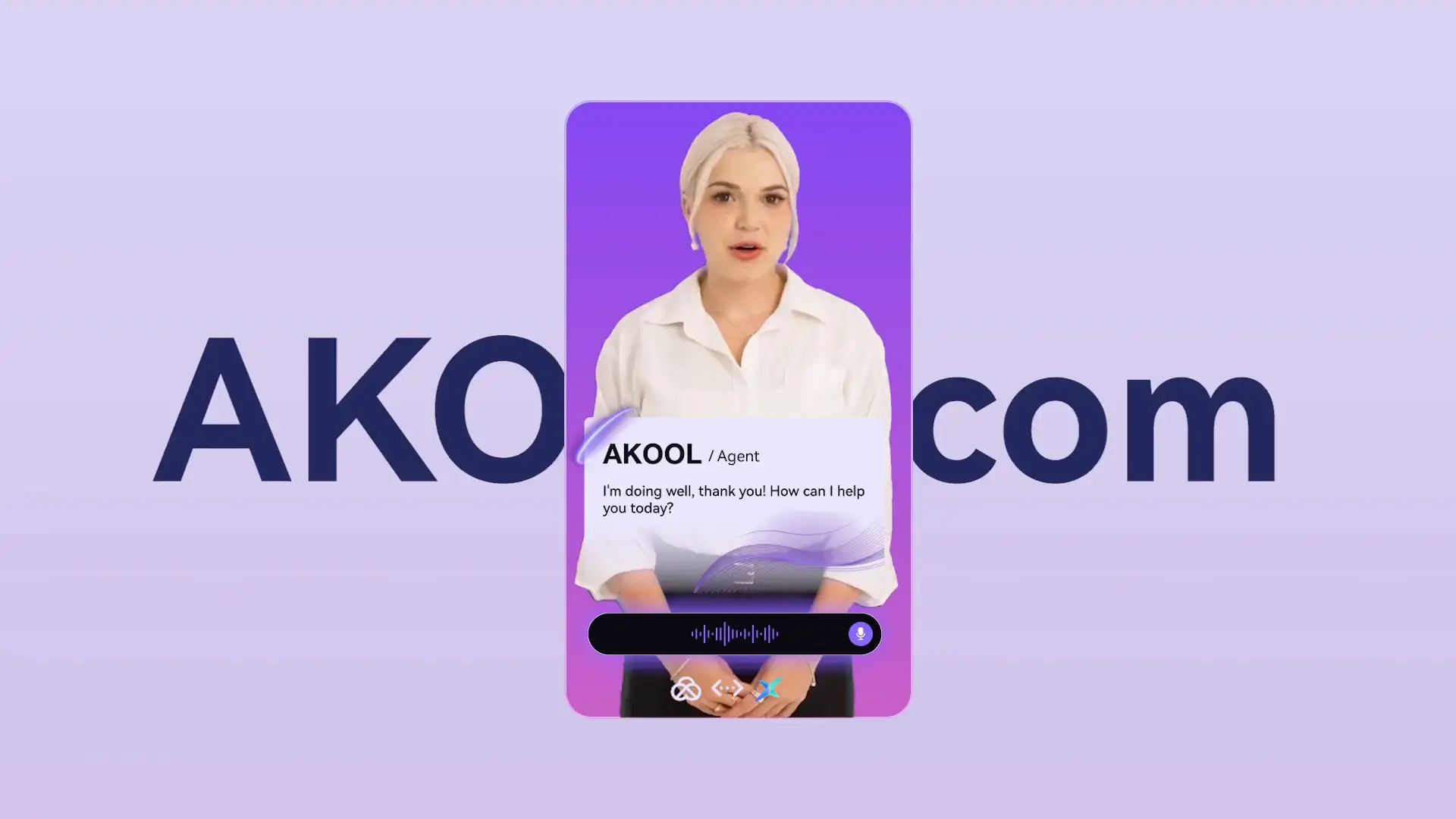
Image credit: akool.com
This is an especially useful feature for teams with large libraries of images. Photos of brand imagery, product images or even artwork can be used to create engaging videos without reshoots, saving both time and resources, while also expanding creative output.
Fine Motion for Cinematic Effects
One of the defining traits of a truly professional AI video model is control. All motion is not created alike, and random movement is often a barrier to the immersion. The most advanced technology allows filmmakers to control the way elements within the frame move with respect to of speed, direction and trajectory, producing a smoother and more cinematic output.
With precise motion control, designers can mimic camera movements as well as subtle environmental shifts or even character movement that feels authentic rather than automatic. AI-generated videos can be seamlessly included in marketing strategies or digital storytelling formats and presentations using this level of precision.
Faster and more efficient without sacrificing quality
Modern AI technology is in the process of challenging the notion that speed is synonymous with compromise. A powerful AI video generator can create high-quality videos in a matter of seconds with the same precision in color, sharpness, and visual stability. AI video creation is efficient because it balances quality and efficacy.
In marketing and social media environments where trends are changing frequently, it is imperative for brands to utilize a quick iteration process. The ability to test ideas, tweak the visuals and publish content in a short time gives brands and their creators a tangible advantage without increasing production costs.
Trust is based on consistency
One of the main issues in AI video creation has been uniformity, particularly when humans or characters are involved. Akool AI addresses this issue by preserving facial recognition facial expressions, expressions and the character’s alignment throughout a video. This makes for more convincing videos and prevents visual drift that often causes viewers to lose interest.
It is vital to maintain consistency in use cases like brands’ ambassadors and visuals that are employed to inform. Visuals that are consistent that are authentic, not artificial are more trustworthy and will be viewed by audiences.
For real-world workflows, designed for
AI video tools are most effective when they seamlessly integrate with existing processes of creativity. The simplicity of video-to-image models that are designed for professional use is valued over the performance. Friendly interfaces, speedy rendering and compatibility with most pipelines for content makes it simple for teams to adopt AI video generation without a lot of training.
Beyond individual creators These systems facilitate collaboration and inspiration. Users can explore shared examples, learn about new techniques and challenge their own creativity with community-driven ecosystems.
A New Standard for Visual Storytelling
AI video creation has advanced beyond being a novelty. It’s now a tool utilized to create new content. AI models today blend real-world realism with creativity and speed to expand what’s feasible with existing assets.
Tools such as the Akool Model illustrate how AI is growing and is moving towards more intelligent and accessible video creation. The future of visual storytelling isn’t solely about creating motion. It is about helping creators transform ideas into exciting experiences faster and with greater efficiency than they have ever.