
It is rare that a well-designed bathroom is the focal point of a park or sports complex. It can nevertheless make a significant difference in how people feel about the location. The overall experience is enhanced by having a spotless and safe restroom, which is easy to access is well-constructed and is designed with care. This is not the case when the facilities have become old, unattractive or difficult to maintain.
More communities are taking a closer look at how their toilets are designed from the beginning. Instead of focusing on them as a basic utility structure, numerous owners are now acknowledging them as an important part of the public infrastructure. The bathroom building should be able to be a resource for the people who use it, aid the maintenance crews responsible for its maintenance, and be a part of the seamlessly into the surroundings surrounding it.
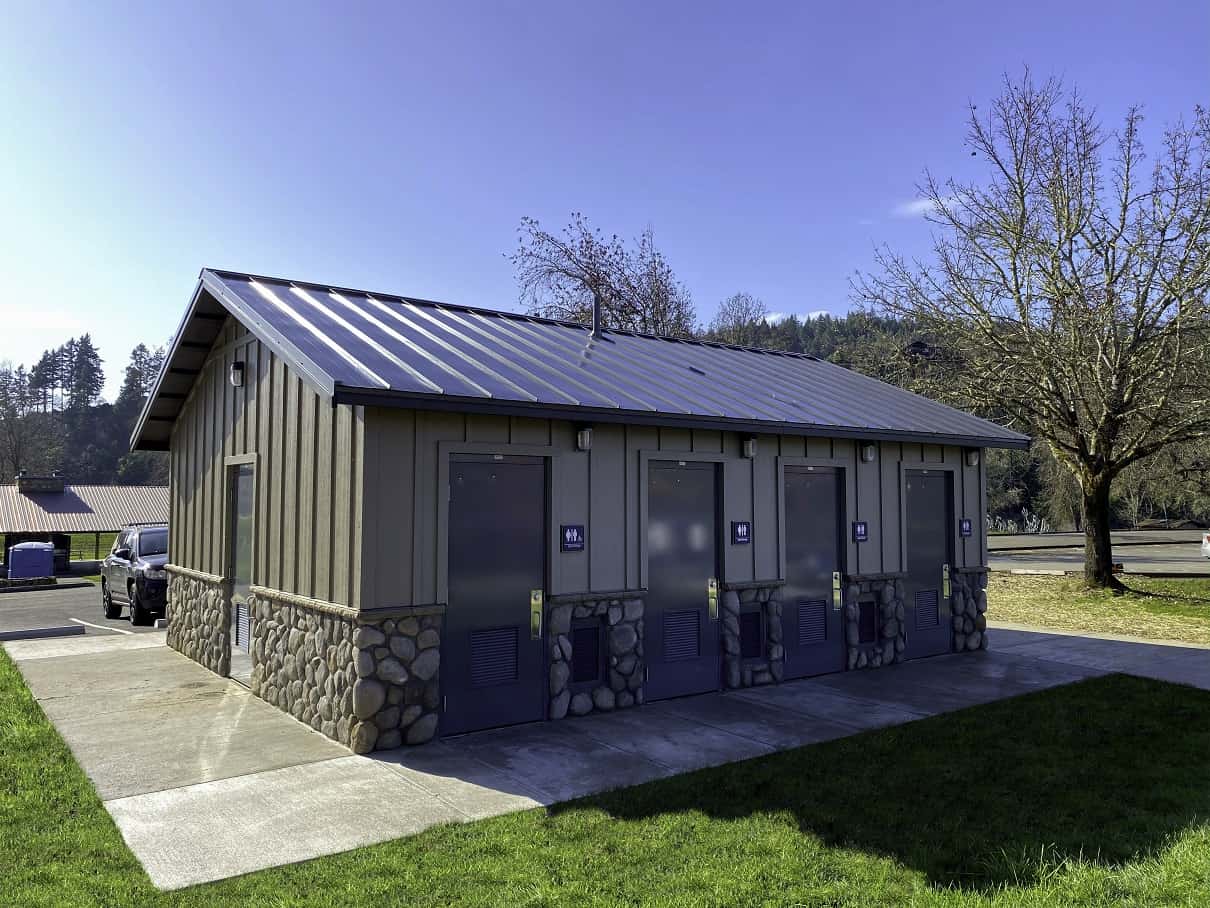
Not every project requires the same type of restroom solution
One of the biggest blunders in the planning of public facilities is to assume that one restroom design will work everywhere. A small park in a neighborhood will have very different requirements in comparison to a massive regional sports complex. A remote trailhead without access to water requires a totally different solution from a busy city center, which requires durable urban facilities. All campgrounds, pools, public gathering spaces and events venues have their own traffic patterns and maintenance needs.
A well-thought-out design can make a big impact. Romtec collaborates closely with parks departments, cities as well as architects and contractors to create restrooms that are adapted to the specific location. It could be a structure for individual use to provide a peaceful, natural area, or a multi-user facility in a park or municipal pool, a building with showers to be used for a campsite or municipal swimming pool, or even steel sidewalk toilets designed for dense urban usage. The idea is not to just place a building however, but also create a space that people can use throughout the all day.
Prefabricated park restrooms of all kinds aren’t created equal.
A majority of people begin searching for prefabricated restrooms within parks due to the fact that they are searching for speed, predictability, and ease of use. This makes sense. However, there are a few distinctions between a standard model and a customized one that provides the same efficiency as a streamlined construction process.
Romtec provides more flexibility when it comes to restroom designs than the prefabrication model. Instead of forcing a city or park to adhere to strict limitations regarding design, the company provides specifications, plans and materials that can be designed to suit the particular design and site. That means the restroom can be designed based on architectural preferences, ADA requirements, sustainability goals, local climate, expected traffic and long-term maintenance requirements. This results in a bathroom that is more like a part of a public park or area rather than being a secondary consideration.
Well-maintained bathrooms encourage greater public usage
The majority of people think of restroom constructions solely in terms plumbing, square footage, or maintenance costs, however the user experience is also important. An attractive, clean building with appealing designs, well-lit, durable materials, and a well-organized arrangement conveys that the space is being cared for. That alone can influence how people perceive the space.
Romtec is dedicated to combining both functionality and aesthetics. Public restrooms should be maintenance-free However, they must feel welcoming and fit for the surrounding environment. In public areas, design details could reduce abuse, discourage theft, and create the use of a safe environment for visitors. A bathroom that is light clear, well-lit, and thoughtfully constructed is quite different from one that feels hidden in a secluded area, ignored, or simply utilitarian.
Sidewalk toilets satisfy a different type of public need
Urban environments present a unique challenge. In the downtown areas such as transit corridors, tourist zones, and public areas for gathering accessibility to clean facilities for restrooms could directly affect sanitation, public comfort, and the usability of the streets. Sidewalk restrooms were specifically designed for this purpose.
In contrast to larger park restrooms the sidewalk restrooms are constructed for smaller footprints and must be able to stand up to frequent use, as well as the realities of city maintenance. The sidewalk restrooms made by Romtec are built with durability as well as easy cleaning and prevention as a priority. The stainless steel fixtures, the compact layouts, and robust materials make it possible to create facilities that work in busy urban areas while still being useful for maintenance personnel and easily accessible to the general public.
Bathrooms are an integral part of a larger plan for visitor infrastructure
Many communities don’t see restrooms as a distinct initiative. They are part of an overall effort to enhance public spaces by providing more amenities for visitors. In a sports facility, a concession may be required along with bathrooms. The campground might require changing rooms, showers or alternatively, waterless facilities for remote portions of property. A trail system may need smaller structures that are suited to natural settings without access to utilities.
Romtec’s design goes beyond standard restrooms in order to create a more expansive perspective. They aid owners in creating shower facilities, restrooms and concession spaces that are compatible to the needs of those who visit the space. This larger-picture approach is important because a bathroom should not be designed in isolation. It should support the flow, comfort and long-term success of the whole space.
Public spaces that are more welcoming can be created by implementing more facilities
If they’re poorly built the public will only be aware of it the toilets are considered to be a public investment. When they are done well they can quietly enhance the experience of parks, campgrounds, recreation facilities as well as city streets over decades. They improve accessibility, comfort, cleanliness, and the perception of the area.
Romtec’s research shows that restrooms don’t have to be bland, boring or restricted by prefabricated limitations. With the proper planning and design, even prefabricated park restroom structures can be adapted to meet the needs of a specific location that reflects the personality of a community, and serve visitors more efficiently. Whether the need is for park restrooms, shower buildings, public restroom buildings in high-traffic civic spaces, or durable sidewalk restrooms for urban settings, a better design process leads to a better public result.