
It doesn’t take a pump station to cease functioning to be troublesome. Even though it is able to transfer stormwater and wastewater every day it could be unable to meet peak demand. It might also require more regular maintenance. It may still work however the original layout of the device may not reflect current conditions.
For developers, municipalities, and facility operators, recognizing the differences is a crucial element of planning for infrastructure improvements.
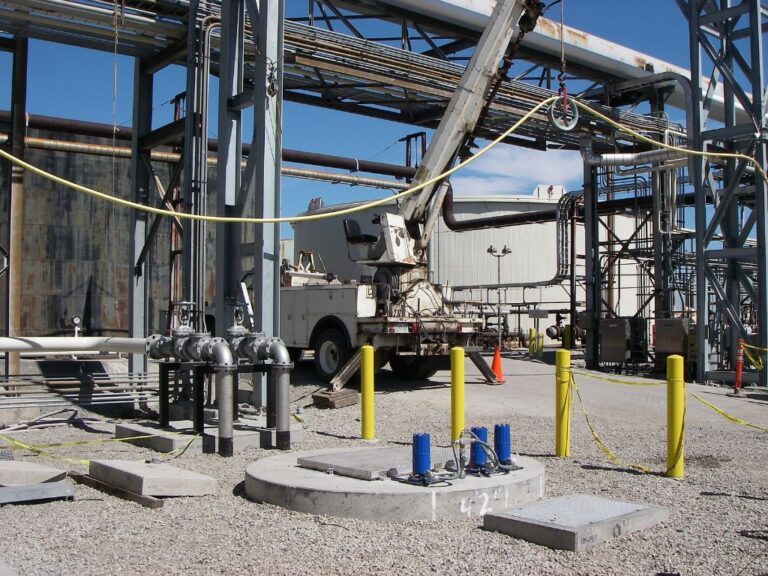
Image credit: romtecutilities.com
It is important to look beyond the equipment that’s malfunctioning.
Retrofitting an wastewater lift station must start with an evaluation of the entire system and not just the pump malfunctioning. Engineers need to evaluate the water well, mechanical equipment, electrical components, controls, discharge piping and the current requirements for pumping.
The condition of the well is crucial. If the structure of the wet well is still sound, you may be able to change it out with a new equipment, while maintaining its current structure. The construction costs could be lower in comparison to building a new station. It is important to keep existing infrastructure in case enhancements can be made.
The service area has changed.
An old wastewater station may be serving homes, industrial buildings or commercial buildings.
These modifications can impact flows and operating demands. Successful lift station rehabilitation therefore requires more than restoring the original equipment specifications. Engineers should assess current and anticipated flows, total dynamic head capacity of the equipment, and operational reliability.
A larger pump isn’t automatically the solution. The new pump must be compatible with the current piping system along with electrical and mechanical supply as well as controls. If you modify one of the components the problem could be with other parts of the system.
Stormwater retrofits may have different priorities
Retrofitting an existing stormwater pumping station can introduce additional considerations due to the fact that the runoff can be affected by nearby development and rain. The pattern of inflow at a station that serves a detention area may be different than if it receives water directly through the storm drain. The quantity of runoff reaching the station can be affected by new pavement in addition to parking space, or the alteration of drainage infrastructure.
Before recommending the upgrade of a stormwater pump station, engineers should examine the contributing drainage area. They must also look at the anticipated peak flows in the area, storage capacity and discharge conditions.
The information will help decide if the station has to be renovated or whether modernizing the equipment is enough.
Design the Construction Before Interrupting Service
How the station will operate in the event of rehabilitation is a concern that is often ignored. It is not possible to shut down wastewater systems without making arrangements for the flow control.
Construction could involve temporary bypass pumps or installation of new infrastructure along with the operating station, in accordance with the space available and the specific requirements of the project.
It is also essential to prepare for stormwater projects as the system may be needed during rainstorms that are not expected. A plan for engineering that is comprehensive must include installation sequencing, temporary operation installation, equipment integration and commissioning as well as replacement components.
The final System is simpler to operate
Romtec Utilities is a provider of site-specific engineering supply and solutions for wastewater and Stormwater Pumping Applications.
The retrofit strategy will determine which electrical, structural mechanical, and communication elements should be kept and which need to be replaced. The company gives owners preliminary designs, budget estimates and project options.
Following installation, startup testing the system, commissioning it, training for operators and maintenance documentation will ensure that the newly upgraded station operates according to its design requirements. Operators need to be able maintain and understand the system after a successful rehabilitation.
Upgrade Your System and Not Limit Its Upgrades to the Age
A pump station that’s older isn’t always a good candidate for a complete overhaul. Some structures may have decades of service left, even if their electrical and mechanical equipment requires updating. The key is to identify what can be safe and economically retained, while ensuring that the station will meet present as well as future needs.
Owners are able to make better investment choices by reviewing the conditions of operation, structural integrity and hydraulic needs together.
The objective in upgrading an older system is not to make it functional again. It’s about ensuring that the new system is able to cope with the new demands.