
In the past the idea of body contouring was thought of in a simplistic way. Remove unwanted fat and shrink an area. Cosmetic surgery in the modern age is much more complex. The surgeons now take into consideration the patient’s appearance, shape proportions as well as the distribution of fat and the condition of the skin prior to recommending an appropriate treatment plan.
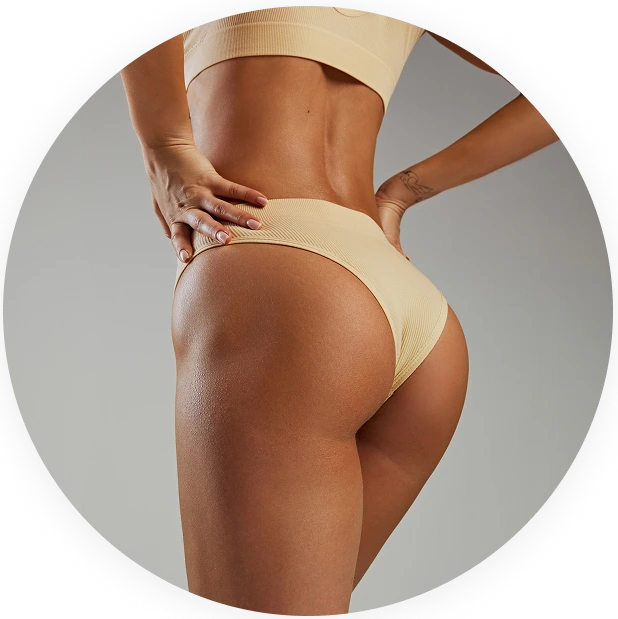
Image credit: prmsurgeons.com
At PRM Cosmetic Surgery, procedures are individualized to meet these elements. There are a variety of options for the use of liposuction, fat transfer, and techniques to treat the skin’s laxity. This offers surgeons numerous options for shaping the body instead of only relying on one procedure.
Proportion is key to the success of liposuction procedure.
Patients searching for the best liposuction may naturally focus on how much fat can be removed. The issue of how removal of fat affects the shape of your body is an important one.
For example, taking away excess fat in the abdominal region can alter the relation between the hips and waist. Treatment of the flanks could further define this transition. It’s essential to be precise, because aggressive fat removal does not always result in better results. The goal is to produce smoother contours that remain in line with the person’s body.
PRM Cosmetic Surgery is a leading provider of advanced techniques, such as tumescent liposuction as well as treatment tailored according to the areas of concern as well as the patient’s cosmetic goals.
Why the quality of skin should be considered
The skin and fat react differently. Liposuction may reduce localized deposits of fat, however it does not necessarily mean the skin above will contract in the same way.
Skin tightening is an issue which can be discussed. Factors such as age, genetics, previous weight changes, pregnancy, and even the current elasticity of your skin can affect the way that skin reacts to shaping.
Renuvion JPlasma is one example could be considered if there are concerns regarding tissue laxity. Surgeons should not think about tightening just as a last-minute option, but rather consider skin characteristics when developing the initial plan to contour the body.
Quantum RF Where it Fits into the Conversation
Radiation-based technology has also increased the range of options available to aesthetic medical treatments. Quantum RF is an alternative method which can be considered when addressing body contour and concerns about tightening of tissues.
However, the technology is only one component of treatment. A sophisticated device will not replace the importance of careful selection of the patient as well as surgical judgement and anatomical knowledge. During a consultation, patients should understand why a particular technology is recommended in the first place, what it’s designed to accomplish, as well as what limitations apply to their individual case.
Brazilian Buttlifts Can Change More Than Just the Buttocks
A Brazilian butt lift can be an example of how contemporary contouring involves relationships between different parts of the body. The procedure is performed using the body’s own fat which has been removed from certain donor areas. The fat is then transferred to the buttocks.
The final appearance is produced by two different changes by contouring the areas in which fat has been removed, and adding volume if needed. The waist, abdomen, hips, flanks, and buttocks are all factors that influence the way that the final silhouette appears.
Personalized Planning Matters More Than a Trend
The choice of cosmetic procedures should not be based solely because a particular method or technique is popular. Two people wanting slimmer waists could have different expectations, in terms of skin elasticity, fat distribution and weight.
PRM Cosmetic surgery places a premium on individual care and offers a variety of body contouring options tailored to each patient’s needs. A thorough consultation is an opportunity to discuss the anatomy, surgical options as well as expected recovery times, risks, and the realistic results prior to deciding if surgery or another cosmetic procedure is appropriate.